|
|
||
|
|||
Lithium Battery Safety |
| By Collegeville Fire Company Volunteers | |
| September 15, 2026 | |
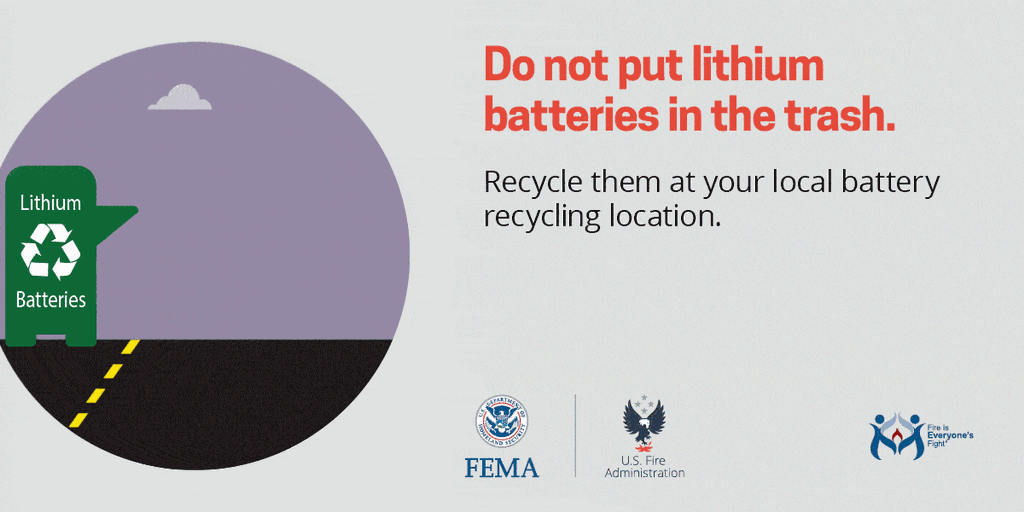
| Lithium-ion batteries are widely used in household devices such as smartphones, laptops, power tools, and increasingly in electric scooters and bikes. While these batteries are efficient and durable, improper usage or storage can pose serious risks including fires, explosions, and the release of toxic gases. The following guidelines outline how to use and store lithium-ion batteries safely. Always use the charger supplied by the device manufacturer. Unapproved chargers can cause overcharging, overheating, and may trigger a dangerous condition known as thermal runaway, where the battery becomes extremely hot and could ignite. Charge devices on hard, non-combustible surfaces like tile or concrete. Avoid charging near flammable materials, and do not leave batteries charging unattended or overnight. Inspect batteries regularly for signs of swelling, leakage, or unusual noises. Discontinue use immediately if any of these issues are detected. Store batteries in a cool, dry, and well-ventilated area, away from direct sunlight and heat sources. Avoid storing them in damp or humid locations. Keep batteries separate from flammable materials, and use a fireproof container for long-term storage, especially for larger devices such as electric bikes. If a lithium-ion battery will be stored for a long period, ensure it is about 30-50% charged. Fully charged or completely depleted batteries tend to degrade faster over time. Disconnect the battery when it reaches full charge to prevent overheating. Never attempt to modify, disassemble, or puncture a lithium-ion battery, as this can lead to leaks or explosions. Dispose of lithium-ion batteries properly. Do not throw them in the regular trash. Take them to designated recycling facilities to avoid environmental hazards and fire risks. Following these practices can help reduce the risks associated with lithium-ion batteries and keep your household safe. |
|
|
|
||
|
|||
.gif)
.jpg)